
Exploring the fascinating history of casinos around the world
Exploring the fascinating history of casinos around the world
The Origins of Gambling
The history of gambling can be traced back thousands of years, with evidence of its practice found in ancient civilizations. Archaeological discoveries indicate that dice were used in Mesopotamia as early as 3000 BC, suggesting that games of chance were a part of societal culture. Ancient Chinese texts also reference games of chance, with Keno believed to have originated around the same time. These early forms of gambling laid the groundwork for modern-day casino games, and as you explore this exciting world, you’ll want to discover the best uk betting sites to elevate your experience.
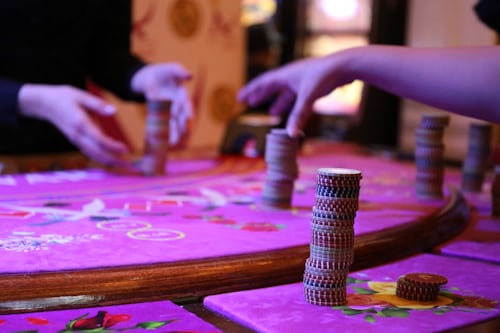
Throughout history, gambling has been intertwined with social, political, and economic factors. In Ancient Rome, betting on gladiatorial combats and chariot races became popular among citizens, illustrating how gambling has often served as entertainment. In medieval Europe, the gambling habit continued to thrive, with royal courts often indulging in games of chance that revealed the allure of risk and reward, which is still prevalent today.
The formalization of gambling into what we recognize as casinos began to take shape in the 17th century. The first known casino, the Ridotto, opened in Venice in 1638, designed to provide controlled gambling activities for the public. This marked a significant turning point, as it shifted gambling from a private indulgence to a regulated public pastime, setting the stage for the development of modern casinos.
The Rise of Casinos in Europe
By the 19th century, casinos began to flourish across Europe, especially in countries like France and Italy. The establishment of the Casino de Spa in Belgium in 1763 is often credited with sparking the casino craze. This era saw the introduction of many classic games, including roulette and baccarat, which are still associated with high-stakes gambling. The elegance and glamour of these venues attracted the elite, and gambling became a symbol of sophistication and leisure.
The French Revolution, despite its tumult, did not diminish the allure of casinos. In fact, the development of Monte Carlo as a gambling hub in the 1860s solidified Europe’s reputation as the epicenter of casino culture. The lavish Casino de Monte-Carlo became an iconic symbol of wealth and luxury, drawing visitors from all over the world who sought the thrill of high-stakes games. The success of Monte Carlo influenced other nations to emulate its casino model, leading to the establishment of casinos in cities like Baden-Baden and Nice.
As casinos became more popular, they also faced scrutiny and criticism. Issues of addiction and corruption arose, leading to varying degrees of regulation across countries. Some nations embraced gambling as a means of boosting tourism and generating revenue, while others remained staunchly opposed. This dichotomy fueled the growth of underground gambling establishments, which thrived in the shadows of legal restrictions.
The American Casino Revolution
The casino landscape shifted dramatically in the United States during the early 20th century. Las Vegas, once a modest railroad town, transformed into a casino powerhouse in the 1940s. The legalization of gambling in Nevada marked a crucial turning point, paving the way for iconic establishments such as the Flamingo and the Sands. These casinos, often designed by famous architects, became synonymous with entertainment, featuring not just gaming but extravagant shows and dining experiences.
The mob’s involvement in Las Vegas during the mid-20th century added an intriguing layer to the city’s casino history. Organized crime figures invested in casinos, contributing to their rapid growth and glamorous reputation. This complicated relationship between organized crime and the casino industry would eventually lead to heightened scrutiny and regulation, shaping the landscape of American gambling.
In the latter half of the 20th century, the casino boom spread beyond Nevada, with states like Atlantic City legalizing gambling to stimulate their economies. The opening of Resorts International in Atlantic City in 1978 marked the beginning of a new era, where casinos became a vital component of the entertainment industry. This shift not only reshaped gambling in America but also influenced global perceptions of casino culture, leading to the expansion of casinos worldwide.
Modern Casinos Around the World
In recent years, the global casino landscape has evolved, with numerous countries legalizing gambling to boost tourism and economic growth. Countries such as Macau and Singapore have emerged as significant players in the casino industry, surpassing Las Vegas in revenue generation. Macau, known as the “Gambling Capital of the World,” offers a unique blend of Chinese and Western gambling culture, attracting millions of visitors each year.
The modern casino experience is not limited to traditional games; it has diversified to include online gambling and mobile gaming, reflecting the changing preferences of younger generations. With the advent of technology, online casinos have provided an accessible platform for gambling, breaking geographical barriers. This digital revolution has transformed the gambling industry, enabling players to enjoy their favorite games from the comfort of their homes.
As casinos continue to adapt and innovate, they remain cultural icons that reflect the evolving social dynamics surrounding gambling. The integration of entertainment, dining, and luxury accommodations has made modern casinos destinations in their own right. Whether it’s the grandeur of a Las Vegas resort or the cultural fusion of a Macau casino, these establishments encapsulate the rich history and future potential of gambling around the world.
The Future of Casinos and Gambling Culture
The future of casinos and gambling culture is likely to be shaped by ongoing technological advancements and changing consumer behaviors. Virtual reality and augmented reality are poised to revolutionize the gambling experience, making it more immersive and interactive. As technology continues to evolve, casinos must adapt to meet the expectations of a tech-savvy audience, ensuring they remain relevant in a competitive market.
Moreover, the emergence of cryptocurrencies and blockchain technology presents new opportunities and challenges for the gambling industry. Many online casinos are beginning to accept cryptocurrencies, which can offer faster transactions and enhanced security. This shift not only caters to the preferences of modern players but also raises questions about regulation and consumer protection in the evolving gambling landscape.
As societal attitudes towards gambling continue to shift, responsible gambling initiatives will likely play a more significant role in the industry. Casinos will need to prioritize measures to protect players and promote healthy gambling habits. With the right balance of innovation, responsibility, and regulation, the future of casinos looks promising, continuing the fascinating legacy that has captivated people for centuries.

Conclusion: The Journey of Casinos
The journey of casinos is a fascinating tale that spans centuries and continents, reflecting the complex relationship between society and gambling. From ancient rituals to modern luxury resorts, the evolution of casinos showcases humanity’s enduring fascination with chance and fortune. As new technologies and societal attitudes continue to shape the landscape, the future of casinos remains an exciting and unpredictable adventure.
At the heart of this journey is a rich tapestry of culture, history, and innovation. Whether you are a casual player or an avid enthusiast, understanding the history of casinos enhances the experience of gambling today. As we look to the future, the lessons from the past will guide the ongoing evolution of this captivating industry, ensuring that casinos remain relevant and engaging for generations to come.