
Uncovering the psychology behind casino design
The Influence of Environment on Behavior
The design of a casino plays a significant role in shaping the behavior and mood of its patrons. From the moment individuals step inside, the environment is meticulously crafted to keep them engaged and immersed. Colors, lighting, and music work synergistically to create an atmosphere that encourages prolonged visits. For instance, warm colors like red and gold are often used to evoke feelings of excitement and luxury, while dim lighting can create a more intimate and inviting space. This carefully controlled ambiance can stimulate emotional responses, leading patrons to stay longer and explore the best online casino australia options that increase their enjoyment and chances of winning.
Moreover, casinos often use strategic layouts that promote exploration and discovery. The absence of windows and clocks is intentional, as it disorients guests and makes it challenging to keep track of time. This design choice can heighten the thrill of gaming, enticing players to continue their activities without conscious awareness of how much time has passed. This psychological manipulation is crucial, as it taps into the innate human desire for novelty and adventure, making patrons more likely to try different games and locations within the casino.
Furthermore, the way casinos are organized can influence social interactions among patrons. By placing popular games such as slots and table games in close proximity, they foster an environment where players can easily engage with one another. This interaction adds an element of community to the gambling experience, making it more enjoyable and encouraging prolonged participation. The social aspect, combined with the stimulating environment, demonstrates how casino design is intricately linked to human psychology and behavior.
Color Psychology and Emotional Engagement
Color psychology plays a pivotal role in casino design, impacting how players perceive their environment and interact with games. For example, the use of vibrant colors often correlates with heightened energy and excitement. Red, a common choice in many casinos, stimulates appetite and creates a sense of urgency, compelling players to place more bets and make quicker decisions. Similarly, blue hues are frequently used to evoke calmness and reliability, potentially affecting the duration of play as patrons feel more relaxed.
Additionally, the psychological effects of color can be linked to subconscious associations that individuals have with different shades. For instance, the use of gold and silver may invoke feelings of wealth and success, subtly encouraging players to imagine themselves winning big. This emotional engagement can enhance the overall gaming experience, making players more likely to return and seek out that thrill again. The interplay between color and emotion is a powerful tool that casinos leverage to maximize player engagement.

Moreover, casinos are not limited to the use of color in isolation. The strategic combination of color with lighting serves to amplify emotional responses. Bright, flashing lights paired with dynamic color changes can create a sense of euphoria and excitement, particularly in slot machine areas. This multisensory approach ensures that players remain captivated, reinforcing the casino’s aim of prolonged engagement through a carefully curated emotional journey.
Sound and Music as a Tool for Reinforcement
Sound design is another critical element in the psychology behind casino design. The strategic use of music and sound effects serves to reinforce the gaming experience and shape player behavior. Casino operators often employ ambient music that is upbeat and energizing, creating a lively atmosphere that encourages players to participate. Specific sound effects, such as the chimes of winning combinations on slot machines, are designed to evoke positive emotions and reinforce the pleasure associated with gambling.
Interestingly, the volume of sound is also manipulated to maintain engagement. Casinos typically keep the music at a level that is loud enough to be stimulating without being overwhelming. This balance ensures that players are energized and attentive, leading to increased play and, ultimately, higher spending. The psychological concept of operant conditioning comes into play here, as the positive reinforcement of sounds associated with wins encourages players to continue gambling in search of that rewarding auditory feedback.
Additionally, sound can also influence the perception of time and money spent while gambling. The continuous flow of winning sounds may create a distorted sense of success, leading players to believe they are winning more often than they are. This illusion can create a feedback loop, encouraging patrons to invest more time and resources. The intricate relationship between sound, perception, and behavior is a testament to how deeply embedded psychological principles are in casino design.
The Role of Layout and Flow in Gambling Spaces
The layout of a casino is a carefully planned element designed to optimize player flow and maximize the potential for gambling activity. The way pathways are arranged can guide players through various zones, enticing them to explore different games and offerings. For instance, high traffic areas are often populated with popular machines or tables to capture the attention of passing players. This strategic placement increases the chances of spontaneous play, as individuals are drawn into the action.
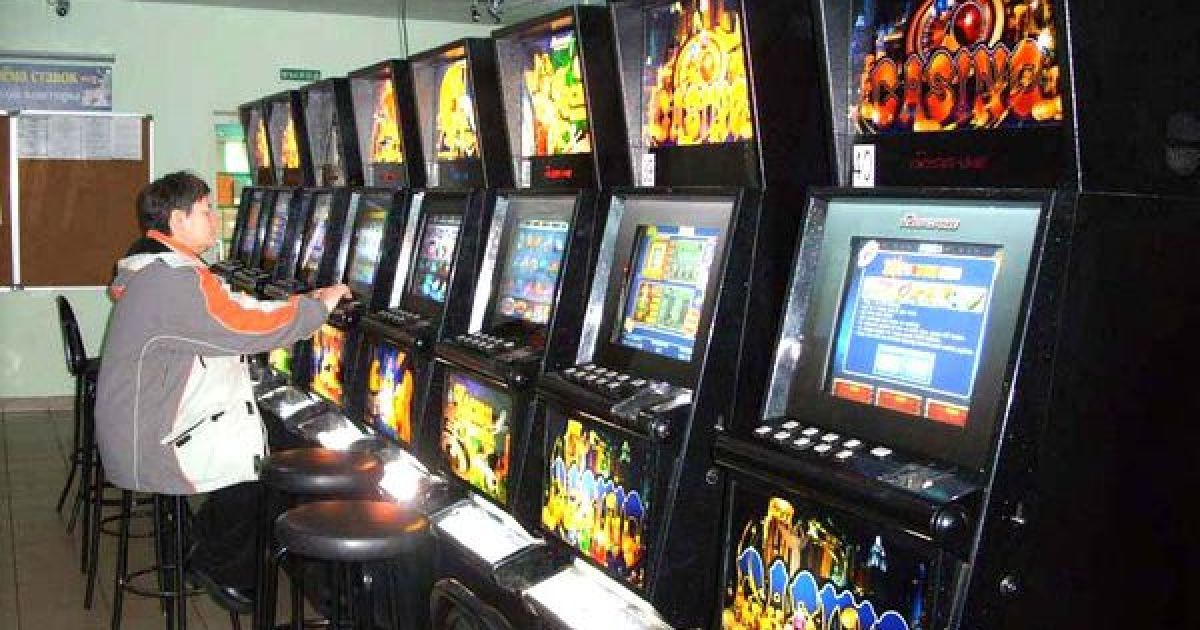
Moreover, the use of open spaces and sightlines plays a crucial role in a casino’s design. Patrons are often encouraged to see others winning, creating a social proof effect that enhances the desire to participate. The visibility of crowded gaming areas can serve as a motivator, encouraging new players to join in, as they perceive the exciting atmosphere of winning and social engagement. This design principle taps into the human instinct to be part of a group, fostering a sense of belonging and camaraderie.
Furthermore, the concept of zoning is prevalent in casino layout. By grouping different types of games together—slots in one area, table games in another—casinos cater to various player preferences while also controlling the flow of traffic. This careful orchestration of space, combined with the strategic placement of amenities like bars and restaurants, ensures that players feel comfortable and are more likely to remain on-site longer. The casino’s layout, therefore, is not merely functional; it is a psychological tool designed to enhance player engagement and retention.
Explore More on Our Website
For those interested in delving deeper into the intricate world of casino design and its psychological underpinnings, our website offers a wealth of information. We explore various aspects of gambling environments, highlighting how design choices can significantly affect player behavior and experiences. From color schemes to sound design, our resources provide valuable insights for both casino enthusiasts and industry professionals alike.
Furthermore, our website features articles, expert opinions, and case studies that analyze real-world examples of casino design. By understanding the psychological factors at play, readers can appreciate how these environments are crafted to captivate and engage players. Whether you’re a researcher, a designer, or simply curious about the gaming industry, our content is tailored to enhance your understanding of this fascinating field.
Stay connected with us to keep abreast of the latest trends and findings in casino design and psychology. Our commitment to providing in-depth and informative content ensures that you have access to the knowledge needed to navigate the complex world of gambling. Engage with us and gain a deeper appreciation for the art and science of casino environments.